What is Offset Printing – Facts You Must Know

dip saha
September 17, 2026
13
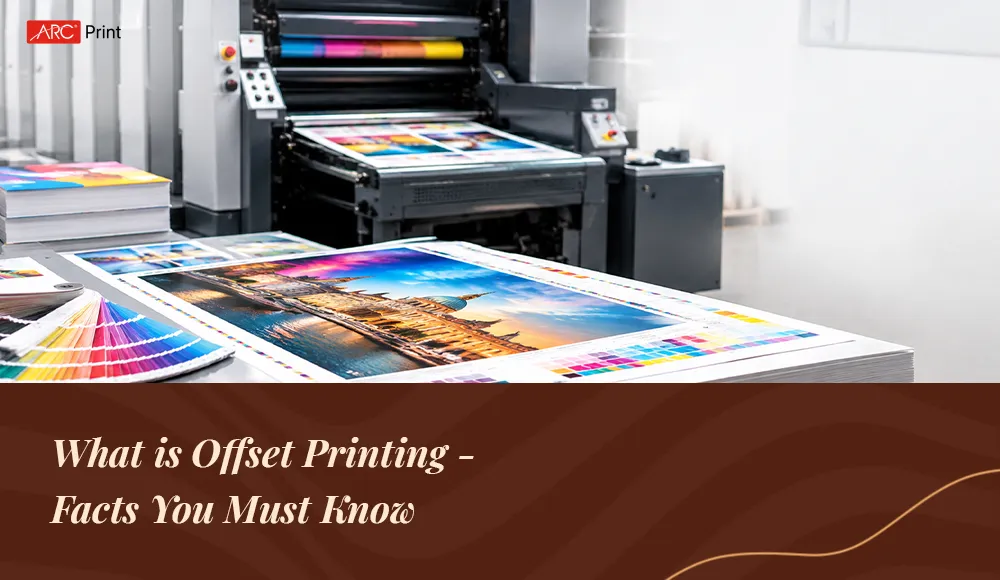
Choose a magazine, a cereal box, or a newspaper while sitting in your doctor’s waiting room. There is a good chance that each and every single item was produced using a printing method called offset printing. It is a popular printing method which has been running the show well over a century. If you have ever wondered how millions of copies of a book or poster get made without a single smudge, you are about to find out the reason behind it. Here, in this blog, you will come to know – what is offset printing, how it actually works, and how it dominates the commercial printing field even in today’s digitized world.
What is Offset Printing?
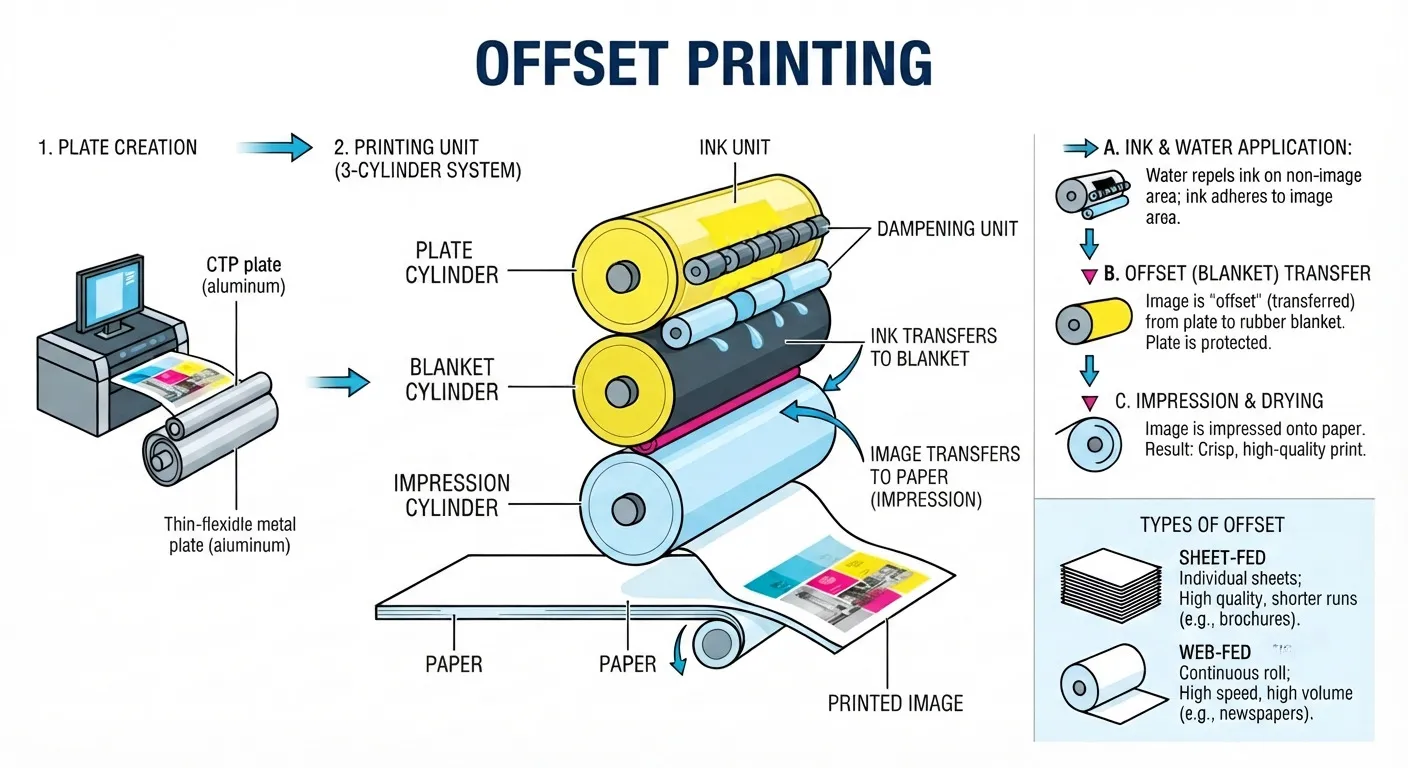
In most of the printing methods, ink goes straight from a stamp or plate onto the surface you are printing on. Offset printing does something extra special. The image is first transferred from a printing plate onto a rubber blanket and then does the blanket press where the image is printed onto the paper. It is basically a two-step handoff process instead of a direct stamp. Offset printing produces cleaner and more consistent images.
How Does Offset Printing Work?
Offset printing is a complex process that requires both expertise and precision. It involves several things, and each contributes to the final product. The process starts with the formation of the printing plate that carries the image to be printed. The image is then transferred onto a rubber blanket and then onto print media. The key principle of this printing process is that water and oil will not mix together. The image to be printed will receive ink from the ink rollers, while the non-printing area will attract a film of water, keeping the on-printing area ink free. This process is known as the lithographic process.
Creation Of The Printing Plate
The very first step in offset printing is the creation of the printing plate. It is typically made of high-quality metal such as aluminum. The image is printed and then transferred onto the plate using high-resolution laser technology. This entire process is called computer-to-plate (CTP) imaging. Once the image has been transferred onto the plate, it is then treated with a chemical solution. This makes the printable area ink receptive and the non-image area water-attracting. This plate is then ready to be used in the printing process.
The Printing Process
Now comes the most vital printing process. Once the plate is successfully installed in the printing press, it is dampened using water rollers. The water is attracted to non-image areas of the plate that are chemically treated to attract water. The ink then comes into contact with ink rollers, which then applied to the image areas of the plate. The ink image is first transferred onto a rubber blanket. The task of the rubber blanket is to conform to the texture of the print media, ensuring a sharp and clean image appears. The image is then transferred onto print media as it passes through the press, creating the final print product.
Different Types Of Offset Printing
There are mainly two types of offset printing. One is sheet-fed offset painting and web offset printing. Each has its own set of advantages and serves different types of offset printing jobs. Sheet-fed offset printing is best suited for short-run projects such as business cards, brochures, books, etc. It uses individual sheets of paper that are fed into the press one at a time. It produces high-quality printing as each sheet can be inspected before it is printed.
Sheet-Fed Offset Printing
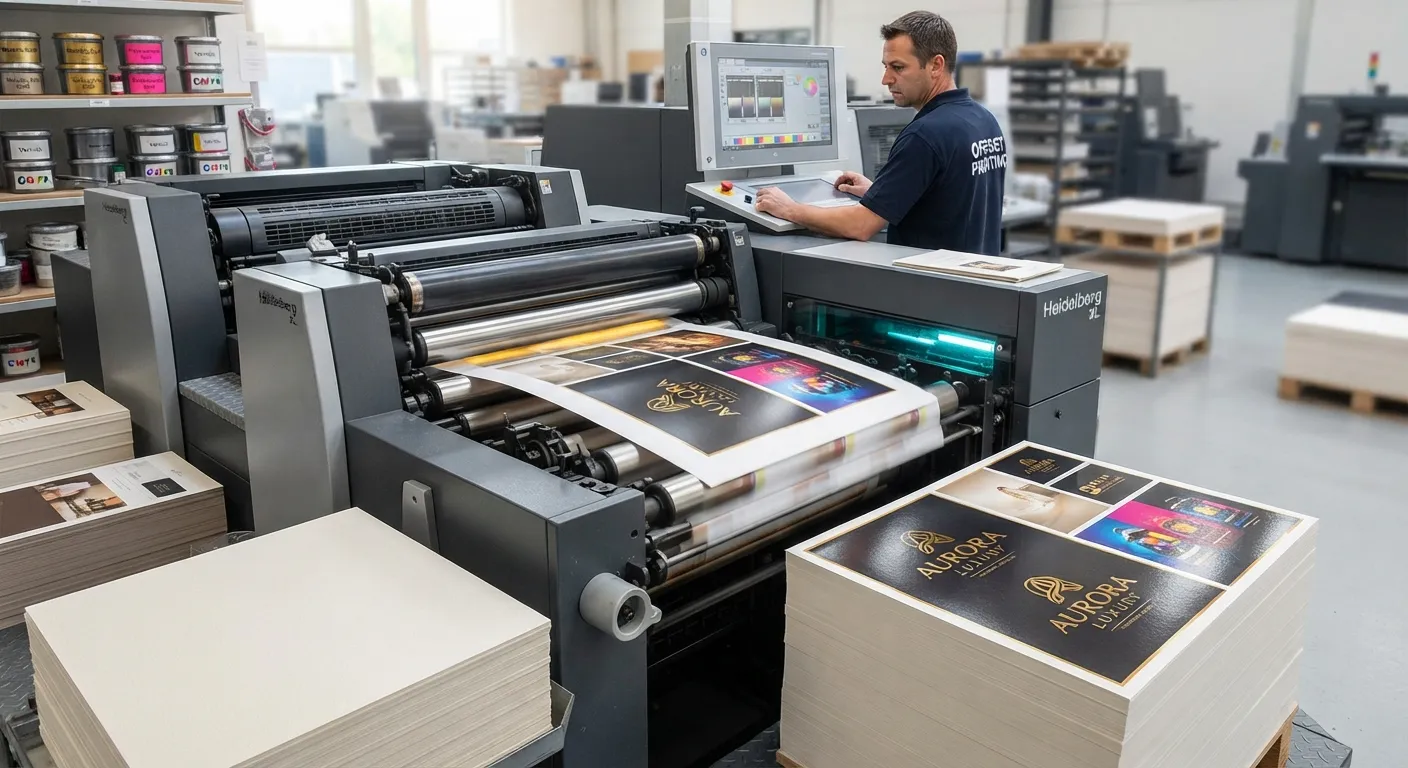
This is a popular printing process for various printing jobs for its flexibility and high-quality printing. It can be printed on a wide range of media, including textured paper and thick cardstock. It has the capacity to accommodate a wide variety of formats and sizes. One of the key advantages of sheet-fed offset printing is that it has the ability to use special types of ink and finishes, including metallic ink, fluorescent ink, and different types of coatings and vanishes. For all these reasons, this printing method stands as a popular choice for high-end printing jobs.
Web Offset Printing
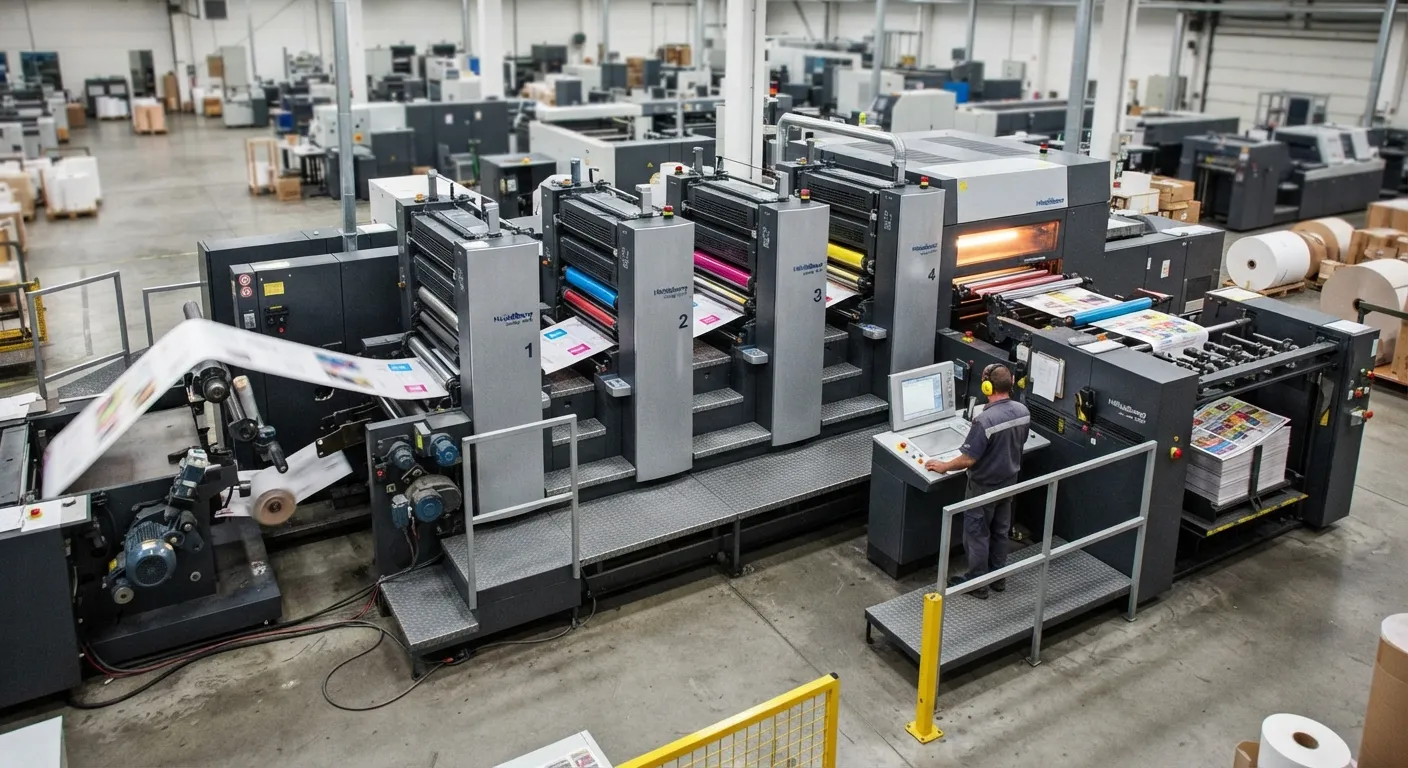
Web offset printing is ideal for high-volume printing works such as magazines, newspapers, and catalogs. It uses a huge volume of paper rolls that are fed through the press, allowing efficient and high-speed printing. This printing can be divided into coldset and headset printing. Headset printing uses high temperature to dry the ink quickly and prints on coated paper. Coldset printing allows the ink to dry naturally, which is a slower process but cost-effective.
Why Offset Printing Matters in Today’s Digital World?
You may ask that in today’s digitized world where digital printing is offering instant output from a computer, why does offset printing still exist?
The answer to this question comes down to consistency, quality, and cost at scale. Let’s now define each point in detail –
Unmatched Image Quality
Offset printing produces sharp, clean and consistent images because the ink is transferred through a rubber blanket rather than applying it directly onto paper. Whether there are 500 copies or 50,000, the image quality remains consistent on each individual sheet of paper.
Cost-Efficiency
The cost of offset printing is much lower than digital printing. The more copies you print, the lower the cost per copy. For high volume printing jobs, offset printing is the most significant and economical option.
Versatility With Materials
Offset presses can print on a wide variety of materials such as paper stocks, weights, textures, etc. From delicate art paper to heavy cardstock, it makes a go-to choice for everything, right from fine arts production to product packaging.
Special Ink And Finishes
Offset printing can easily accommodate metallic colors, spot colors, or specialty coatings that are almost impossible to replicate accurately with the help of digital printing.
These are the reasons why offset printing is so popular even in today’s digitized world. It is the best option for printing books, magazines, etc.
Advantages Of Offset Printing
Offset printing offers several advantages than other printing methods. Let’s have a look at the advantages below –
High-Quality Printing
Offset printing produces high-quality printing. Whether there are 100 pages or 1000, the printing quality remains constant on each individual page. The process allows sharp, clear and detailed images, making it the most preferred choice for high-quality printing works.
Cost-Effective For Large Prints
For large prints, offset printing is the most cost-effective option. While the initial setup cost is high, the cost per unit decreases significantly as the volume increases. This makes it one of the most economical choices for high-volume printing jobs.
Furthermore, the metal plates used in offset printing are highly durable and long-lasting; they can be used for multiple printing projects without any need to replace.
Versatility
Another advantage of offset printing is versatility. Offset printing can be used on a wide range of media such as paper, plastic, cardstock, and metal. This makes it a flexible option for a wide range of printing jobs, right from business card printing, poster printing, books, magazines to banners.
Moreover, offset printing allows special inks and finishes such as fluorescent ink, metallic inks, and various other types of coatings and finishes. This is one of the key features of customization, making it easier to print eye-catching and unique printing products.
Final Words,
From the above discussion, it is clear that offset printing is not a new name in the printing industry. It has been playing a major role for decades. Even in today’s digitized world, it is still the most versatile, cost-effective way to produce high volume prints at a minimum cost. Like offset printing, DTF printing is also quite popular in today’s age.
So, the next time you flip through a magazine or unbox a thoughtfully printed product, take a moment to appreciate the quiet process of working behind those crisp colors and sharp lines. It is an age-old printing technique that cannot be beaten by today’s digital technology.